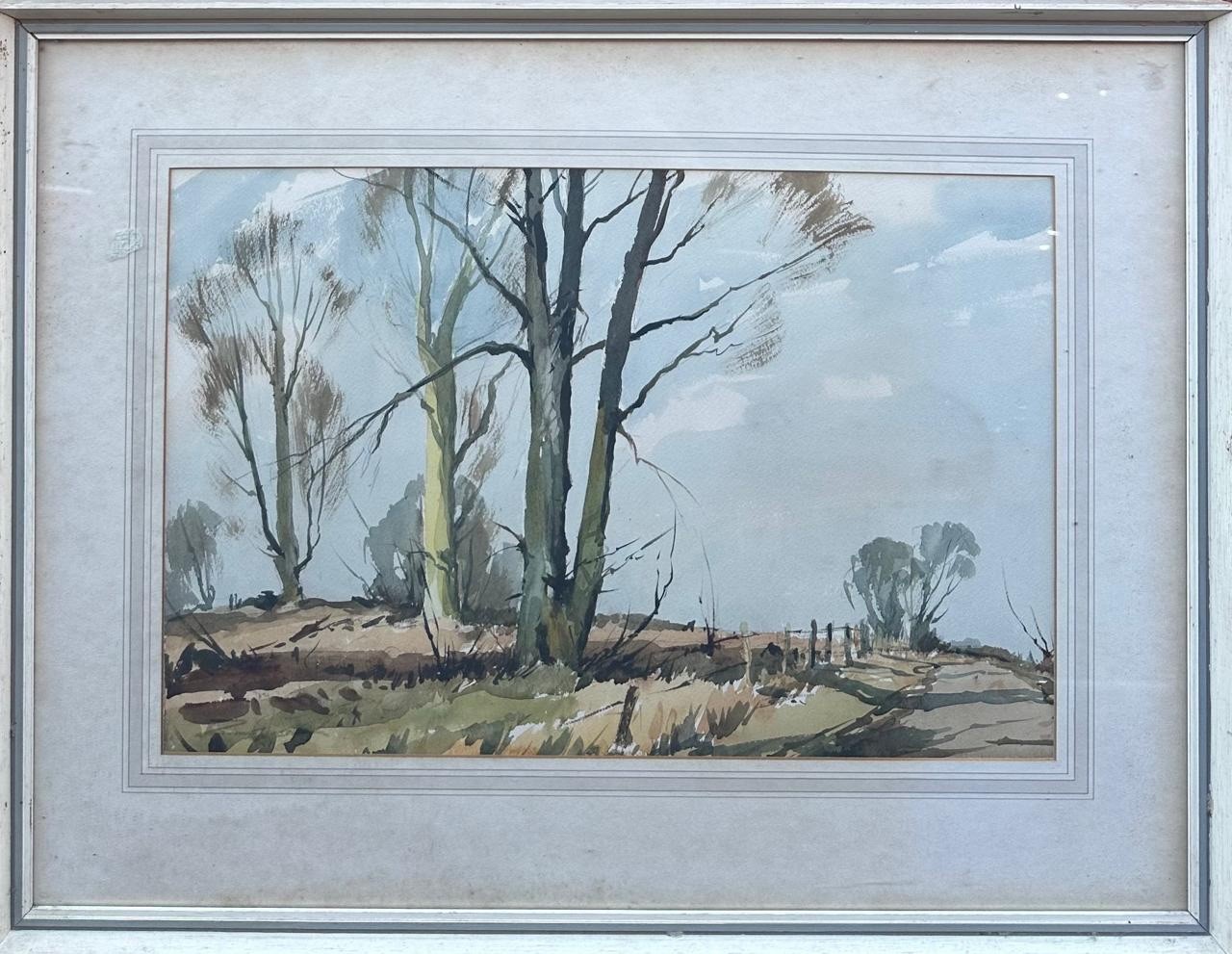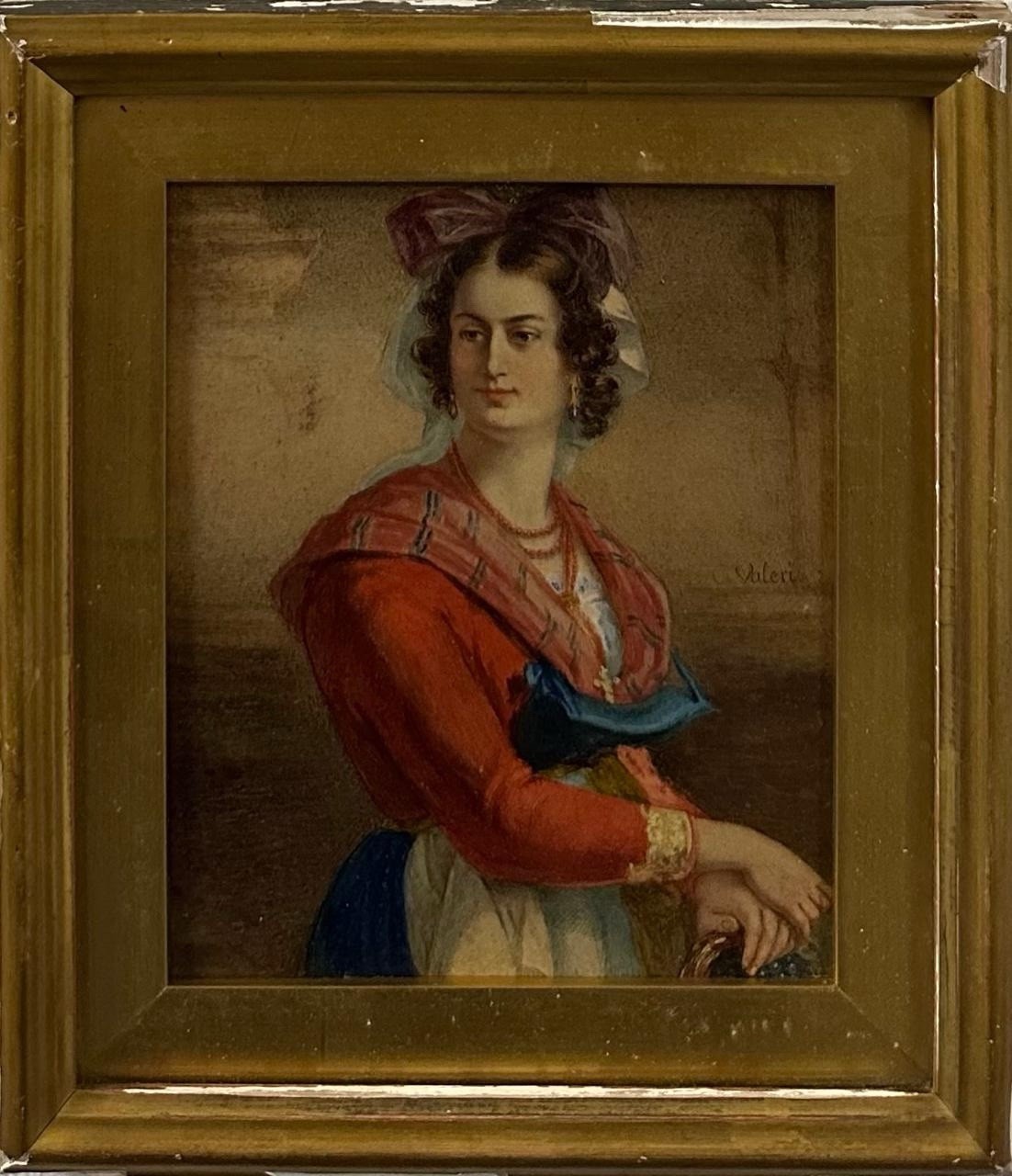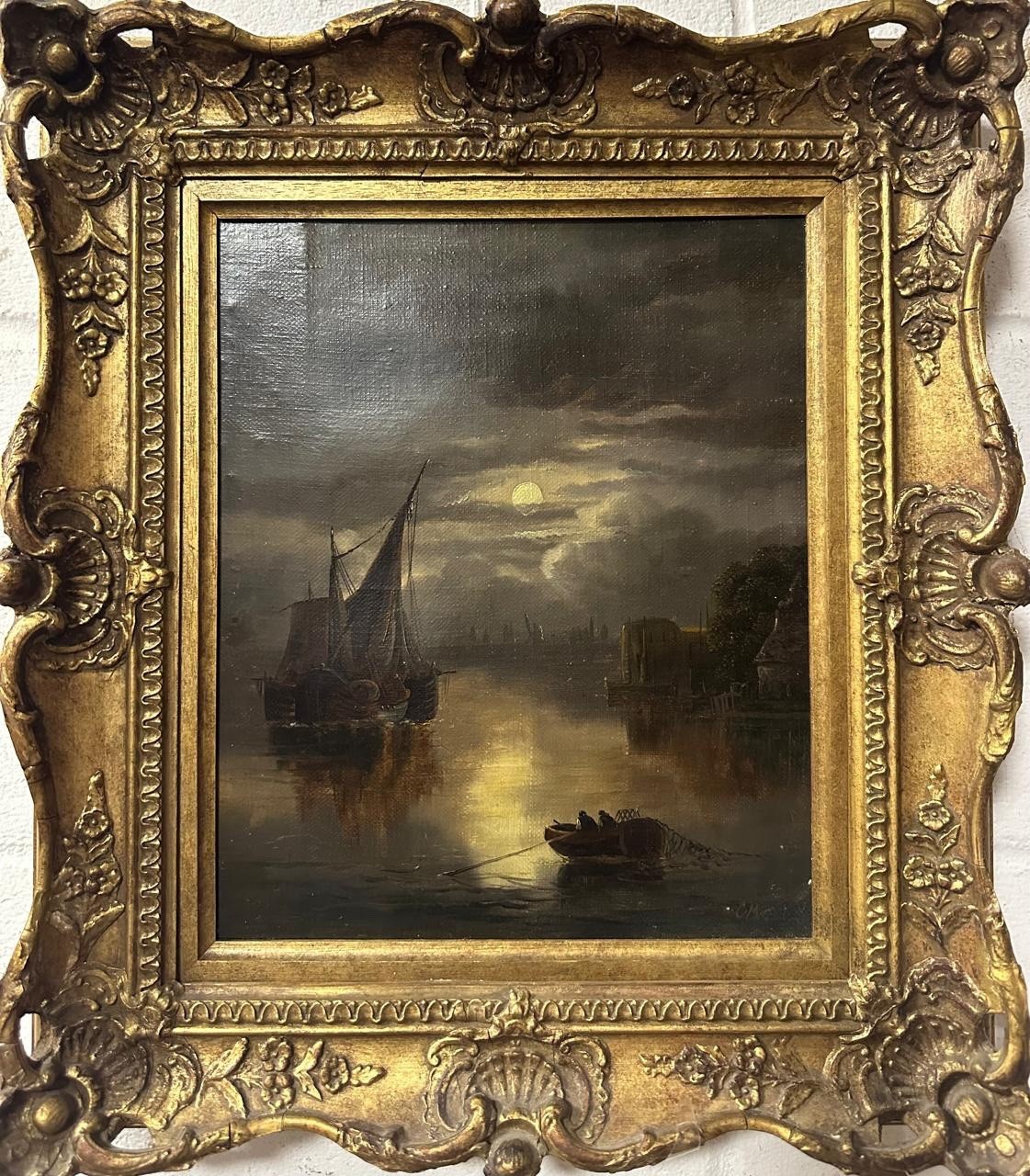
Buying a painting from abroad is routine once you understand packing, insurance, customs and duty. This guide removes the last worry before you order — wherever in the world you are.
Key takeaways
- ✓Professional packing and full transit insurance come first.
- ✓Original art and genuine antiques (100+ years) are often treated favourably at customs.
- ✓EU buyers should expect import VAT, often at a reduced rate.
- ✓US buyers: original works of art are frequently duty-free, but an entry is still required.
- ✓A clear invoice (artist, medium, age, value) smooths the border.
First things first
Packing and insurance
A painting should have a protective interleaf over the surface, corner protection, rigid board or a custom crate for larger works, and cushioning against shock; glazed works need extra care against breakage. Never accept a picture “posted in a padded envelope”.
On arrival
Keep all the packaging until you have fully inspected the work. If a piece arrives with any issue, photograph it before unpacking further and contact the seller straight away — we accept cancellations within 24 hours and will make any delivery problem right.
By destination
Customs and duty at a glance
Rules and thresholds change, so always confirm current rates with your local authority. The broad picture is below; original hand-executed paintings and genuine antiques are frequently treated favourably.
| Destination | What to expect | Official authority |
|---|---|---|
| UK | Domestic delivery simplest; original art / antiques often relieved of duty, import VAT may apply | gov.uk (HMRC) |
| EU | Import VAT on arrival; many states apply a reduced rate to works of art and antiques | European Commission |
| US | Original works of art frequently duty-free (HTS Chapter 97); a customs entry is still required | cbp.gov (CBP) |
Antique status and classification as original art frequently reduce or remove duty — which is why accurate cataloguing of medium and period matters.
Paperwork
What smooths the border
- ›A clear invoice stating the artist or school, the medium, the age and the value.
- ›Any provenance — labels, exhibition history — that supports the classification.
- ›For high-value or very old pieces, ask whether an export licence applies in the country of origin (in the UK, Arts Council England administers export licensing for cultural objects).
“Nine times out of ten, a clear invoice and genuine antique status are all it takes to sail through customs.”
Timing
Delivery and tracking
International art shipping typically takes longer than ordinary parcels because of specialist handling and customs. Expect tracking, and allow a few extra days for clearance; check the delivery estimate on the listing before you buy.
Questions
Frequently asked
Will I pay import duty on an antique painting?
Often little or none. Original works of art and genuine antiques (100+ years) are frequently relieved of duty, though import VAT can still apply in the EU and UK. Always confirm current rates for your country.
Are US buyers charged duty on original paintings?
Original works of art are frequently duty-free under HTS Chapter 97, but a customs entry is still required. Check current CBP guidance for your shipment.
How long does international art shipping take?
Longer than an ordinary parcel — specialist handling plus customs clearance. Expect tracking and allow a few extra days beyond the quoted transit time.
Buy from anywhere with confidence
We ship British and European antique paintings to collectors worldwide.
References
Sources & further reading
- UK Government (HMRC), tax and customs on imported goods and works of art — gov.uk
- European Commission, Taxation and Customs Union (import VAT, works of art) — taxation-customs.ec.europa.eu
- US Customs and Border Protection (CBP), importing works of art — cbp.gov
- Arts Council England, export licensing for cultural objects — artscouncil.org.uk
Import duty, VAT and customs rules change over time; always confirm current rates and thresholds with the official authority for your country before ordering.