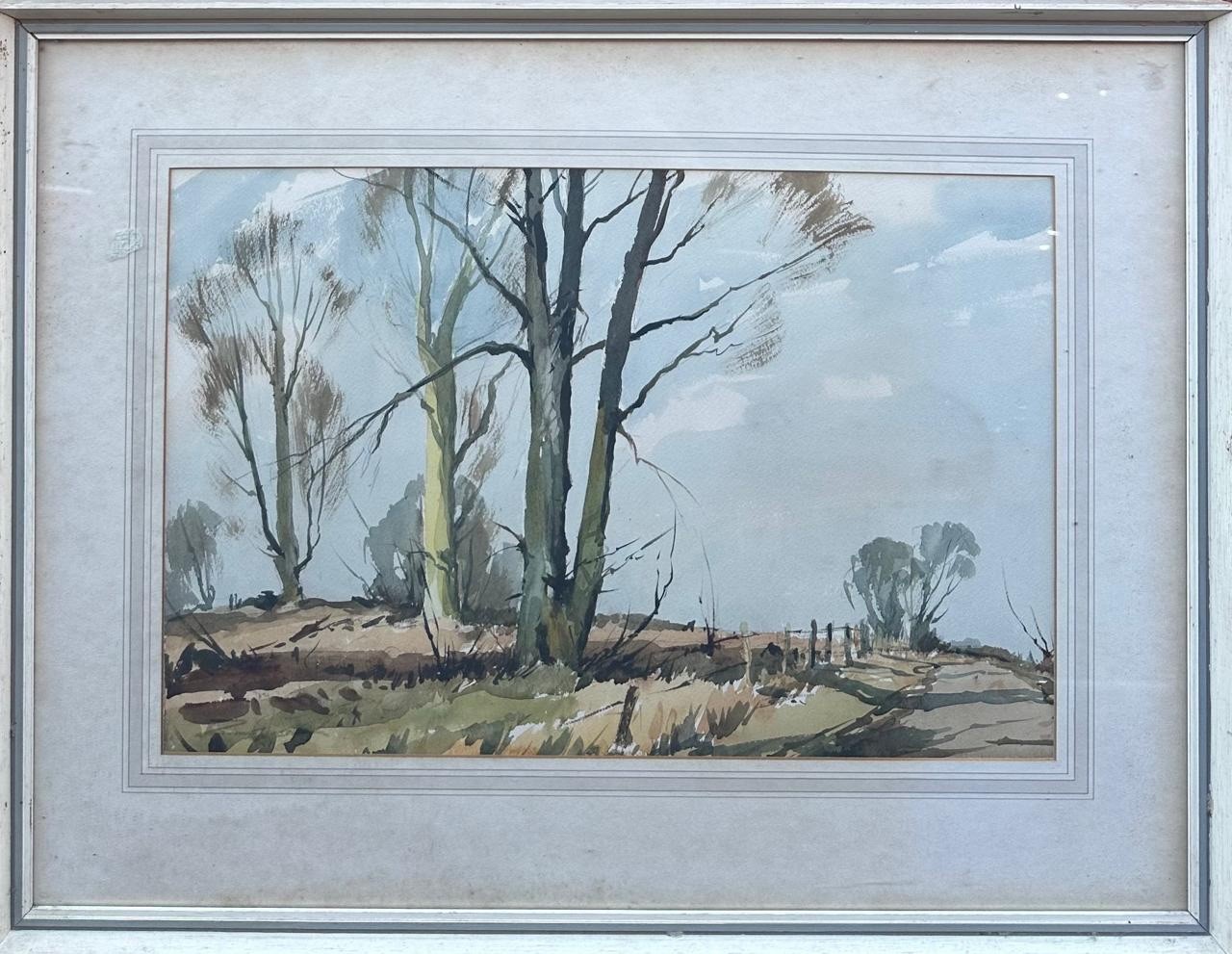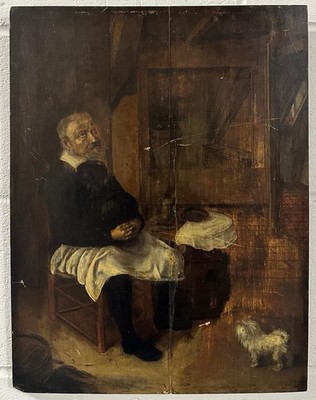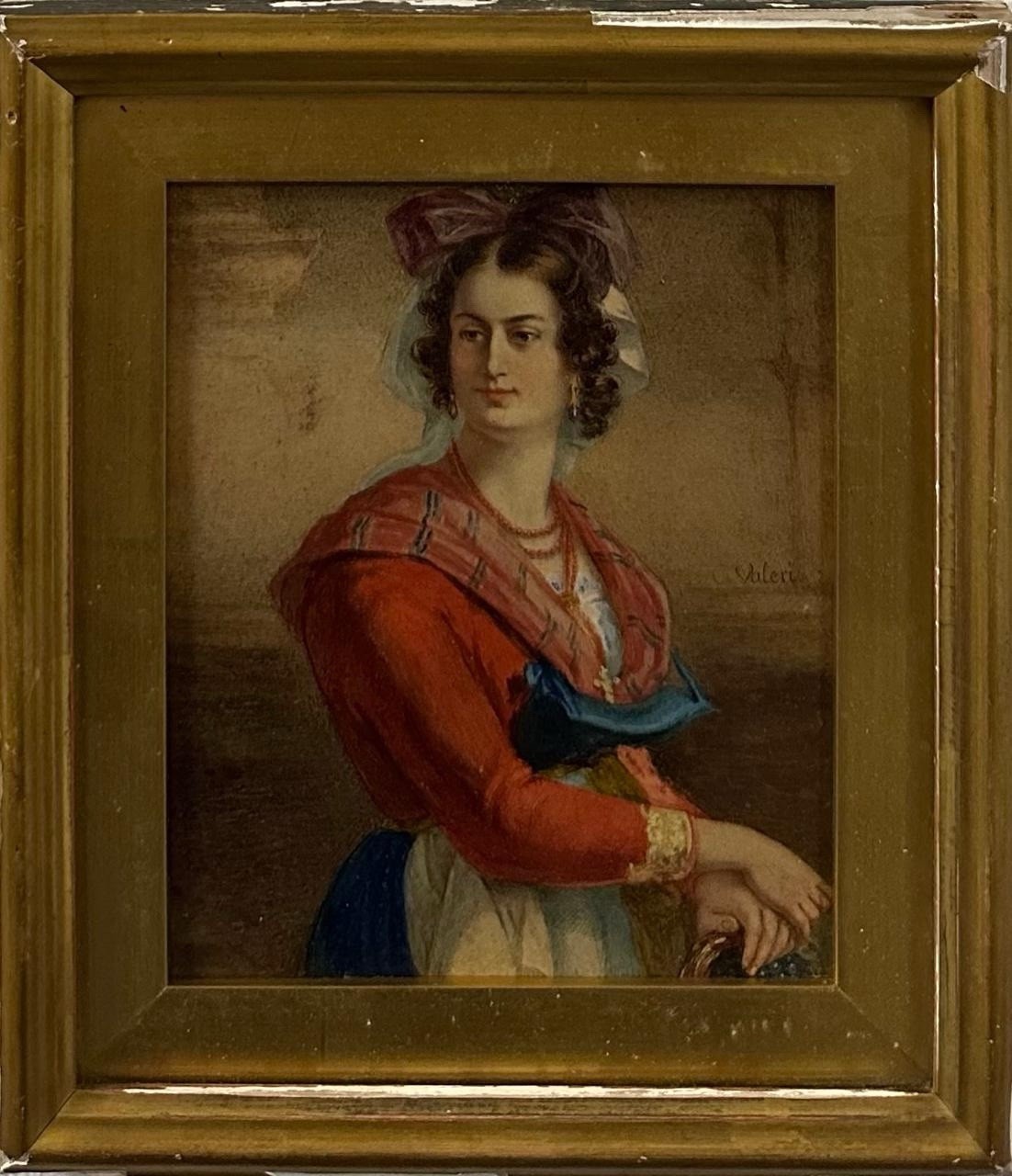
The single biggest fear when buying art online is paying for an original and receiving a print. The good news: a genuine hand-painted antique gives itself away in eight tell-tale ways — once you know exactly where to look.
Key takeaways
- ✓Originals have real, raised brushwork; prints are flat or mechanically uniform.
- ✓Under magnification, prints show a regular dot pattern; paint does not.
- ✓Genuine age produces irregular craquelure, not repeating cracks.
- ✓The reverse of the picture often tells the truth fastest.
- ✓When in doubt, ask — a trustworthy dealer confirms medium and support without hedging.
At a glance
Original vs reproduction
| Clue | Original hand-painted | Print / reproduction |
|---|---|---|
| Surface | Raised brushwork, catches raking light | Flat or mechanically uniform |
| Under magnification | Continuous paint, no dots | Regular dot / rosette grid |
| Cracks | Irregular, age-consistent craquelure | Uniform, repeating ‘cracks’ |
| Reverse | Aged canvas, old tacks, labels | Clean, modern backing |
| Signature | Sits in the paint layer | Part of the flat printed image |
The eight tests
What to look for, one by one
Surface texture and brushwork
An original oil sits proud of the surface in ridges (impasto). A raking-light photograph makes the difference from a flat print obvious.
No dot pattern
Older reproductions were printed as a grid of dots visible under magnification. A close-up of a signature reveals them instantly.
Age-consistent craquelure
Genuine old oils develop an irregular network of cracks as the paint film ages — a sign of age, not damage. Printed cracks repeat.
The back tells the truth
An antique canvas shows an oxidised reverse, old stretcher bars, tacks or later staples, and often labels. Reproductions look suspiciously clean behind.
Support matches the period
A 19th-century oil should be on period canvas, board or panel — not modern factory-primed cotton. See our medium guide.
Edges and margins
On a stretched original, paint often continues over the turnover edge; prints end in a crisp mechanical line.
Signature behaviour
A painted signature sits within the paint layer and interacts with the surface; a printed one is part of the flat image. See Reading the Signature.
Ask, and expect a straight answer
A trustworthy dealer confirms the work is original and hand-executed, and sends extra photographs on request.
Watch out
“Giclée on canvas” is a high-quality inkjet print, not a painting. It can look convincing from a distance, but under magnification and in raking light it gives itself away every time.
“Turn it over first. The back of a painting is often more honest than the front.”
Questions
Frequently asked
Can a photograph really prove a painting is original?
A good set can get you most of the way: a raking-light shot shows brushwork and impasto, a macro shot rules out a dot pattern, and the reverse shows genuine age. For anything high-value, a conservator can confirm in person.
Is craquelure a defect I should avoid?
No. Fine, stable craquelure is a natural sign of age in an old oil. What matters is that the paint film is stable and any restoration is disclosed.
What is the quickest single check?
Look at the back. An aged, oxidised reverse with old tacks and labels is very hard to fake and immediately separates a genuine antique from a modern reproduction.
See authenticated originals
Every work in our catalogue is described as original, hand-executed painting, with the support and condition stated.
References
Sources & further reading
- The National Gallery, London, technical bulletins on materials and craquelure — nationalgallery.org.uk
- Tate, art terms (impasto, ground, support) — tate.org.uk
- Canadian Conservation Institute (CCI), care of paintings notes — canada.ca/conservation-institute