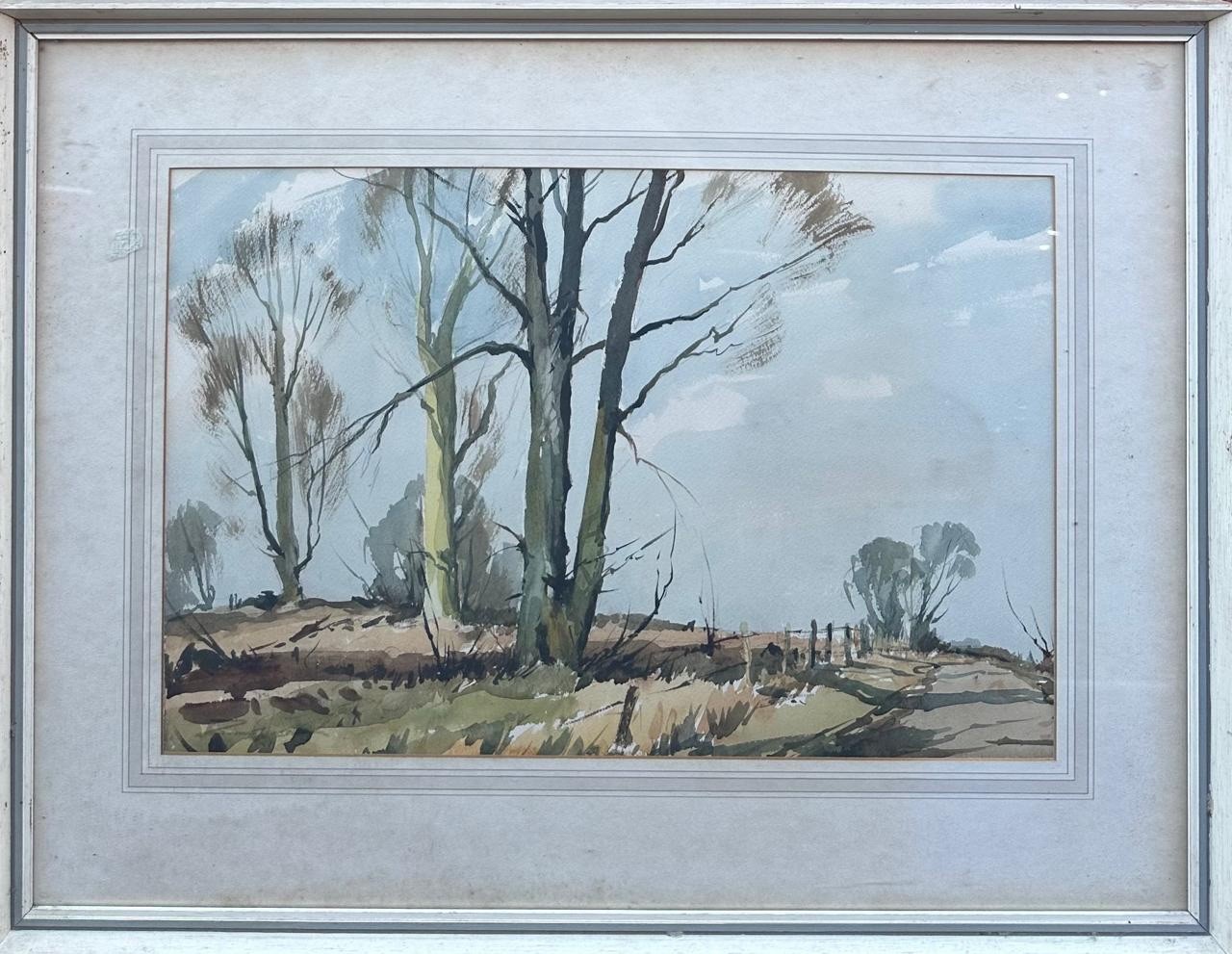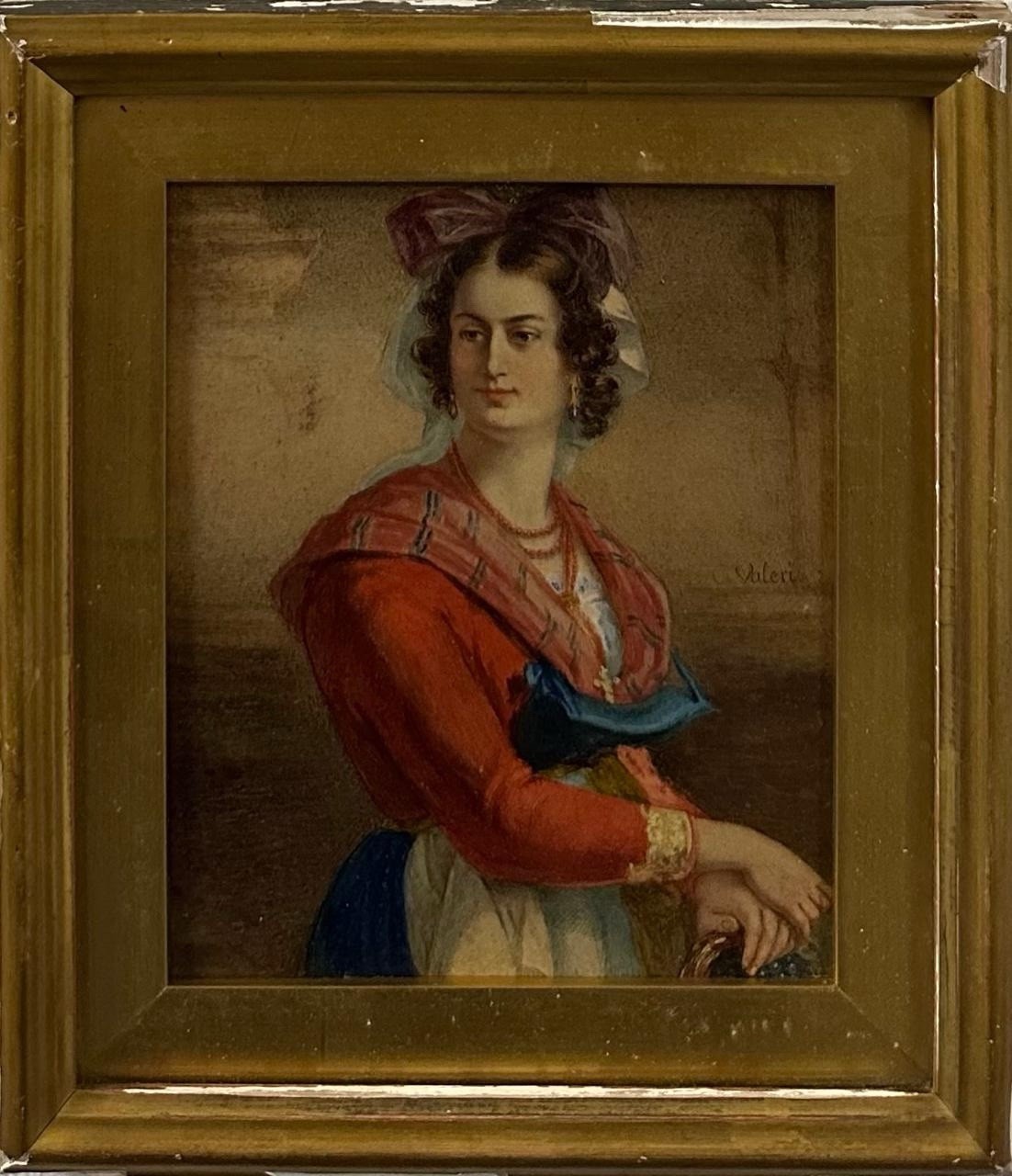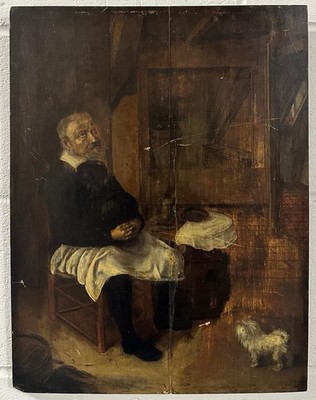
An illegible signature in the corner of an old painting is one of the small mysteries that makes collecting addictive. Here is how attribution actually works — and why an unsigned picture is very often not a lesser one.
Key takeaways
- ✓Check all four corners, the edges, the reverse and the stretcher — not just the bottom right.
- ✓A date narrows the search dramatically; look for one near the signature.
- ✓Cataloguing terms (‘attributed to’, ‘circle of’, ‘after’) are precise and protect the buyer.
- ✓Unsigned ≠ unimportant: much fine portraiture and landscape was never signed.
- ✓Labels and stamps on the back can be as valuable as the signature itself.
Where to look
Start with the whole object
Signatures are usually in a lower corner, but not always. Artists signed on the back as often as the front, and dealer, framer and exhibition labels help date and place a work. Check systematically: corners, edges, the reverse of the canvas or board, and the stretcher bars.
Collector’s tip
Photograph a faint signature in raking light and increase the contrast. Incised or raised strokes catch shadow and often become legible when a flat photo shows nothing.
The language
What the cataloguing terms mean
Auction and dealer language is precise, and these conventions are broadly standard across the major salerooms. Knowing them tells you exactly how confident the seller is.
| Term | What it tells you |
|---|---|
| Signed / by [artist] | Regarded as a work by the named artist |
| Attributed to | Probably by the artist, in whole or part |
| Studio / workshop of | From the artist’s studio, possibly supervised |
| Circle of | A follower working in the artist’s lifetime and manner |
| Manner of / after | In the style of, or a later copy of a known work |
When a name cannot be confirmed, a work is catalogued by school and period, for example “19th-century British School”. That is honest attribution, not a shortcut.
Perspective
Why unsigned does not mean unimportant
A great many fine antique paintings are unsigned. Portraiture in particular was often unsigned, and decorative landscapes were sold through dealers without a name. Judged on quality, period and condition, an unsigned picture can be an excellent — and better-value — buy. See how attribution feeds price in What Is an Antique Painting Worth?.
“A confident signature is reassuring; a beautiful, well-preserved picture is the point.”
Tools
Confirm the period, then the hand
Signature dictionaries
Compare the hand against documented monograms and signatures to shortlist candidates.
Auction archives
Match subject, technique and size against recorded works by the artist.
Support & style
If the medium and support point to a date, you have already narrowed the field.
Questions
Frequently asked
Should I pay more for a signed painting?
A confirmed signature by a sought-after artist adds value, but condition, quality and subject matter just as much. A superb unsigned picture can outperform a weak signed one.
What does ‘bears signature’ mean?
It signals caution: a signature is present but the saleroom is not confirming it is authentic. Treat the attribution as unproven.
Can you help identify a signature?
Yes — send us a raking-light photograph of the signature and the reverse and we will share what we can determine.
Meet the makers
Explore the artists and schools behind our pictures, each catalogued by name, school or period.
References
Sources & further reading
- National Portrait Gallery, London, on attribution and portraiture — npg.org.uk
- The National Gallery, London, glossary and provenance research — nationalgallery.org.uk
- Art UK, exploring the UK national collection and artists — artuk.org