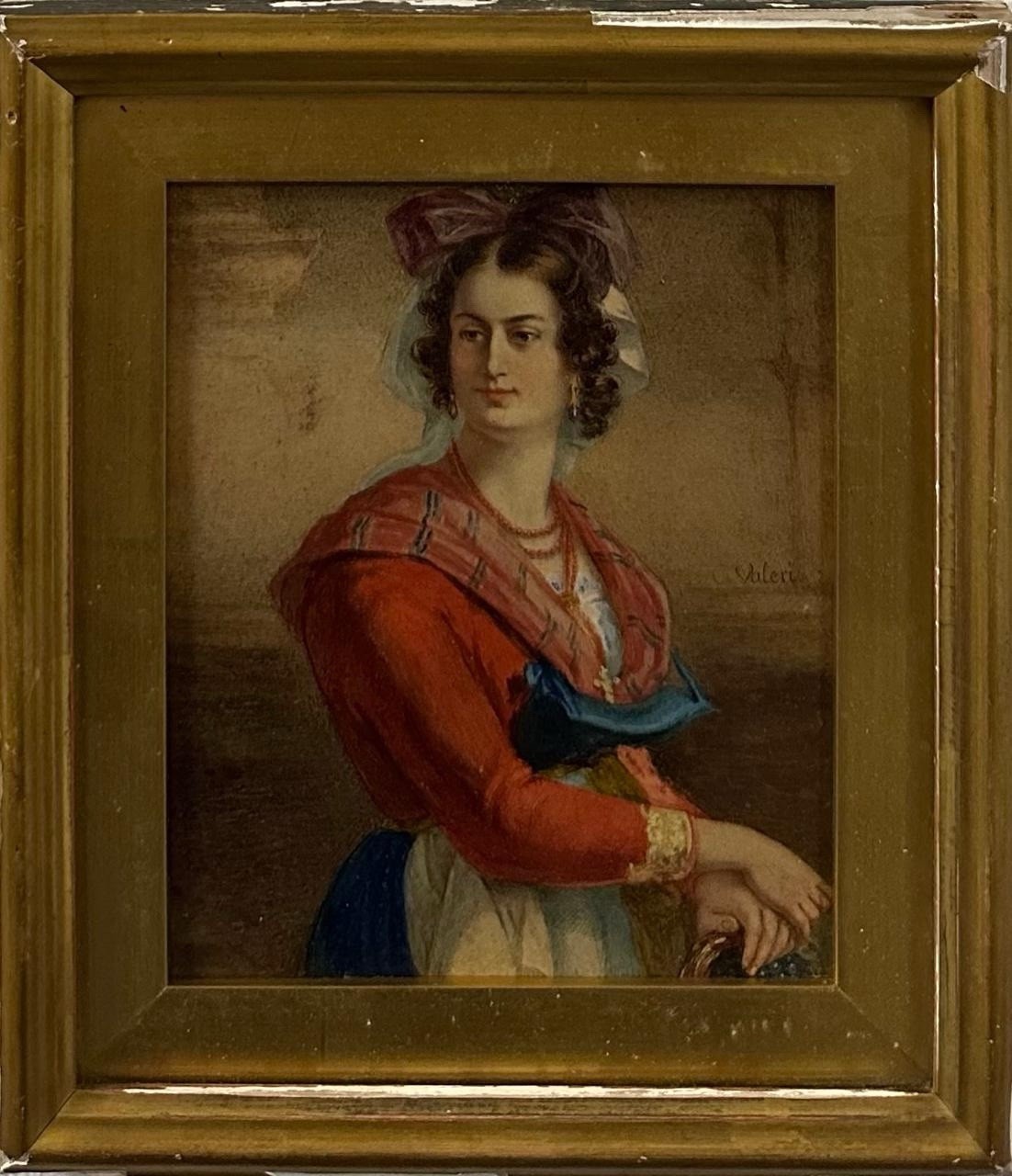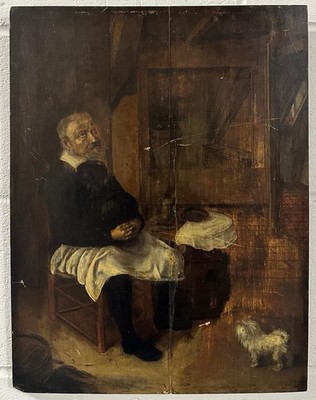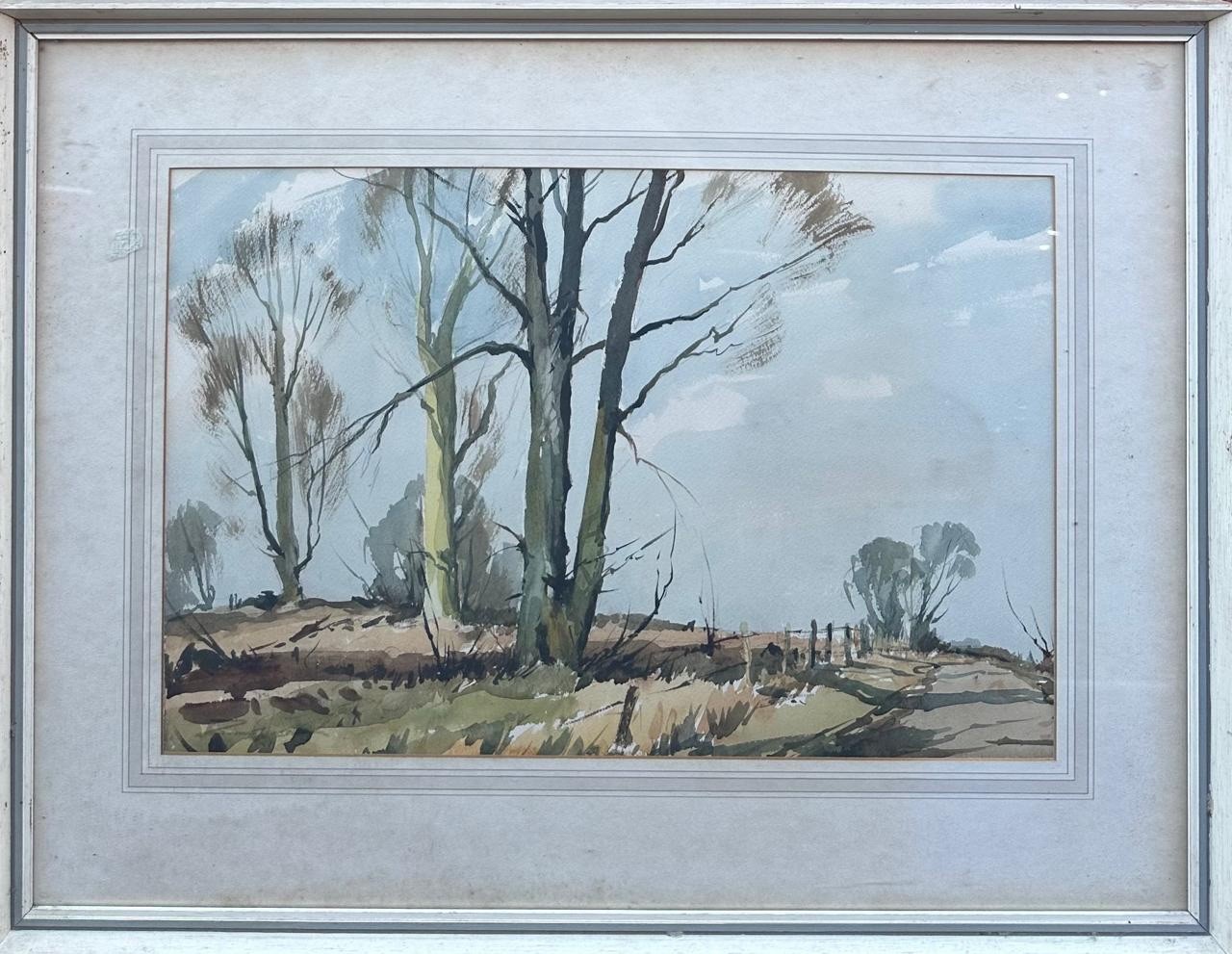
Buying an antique painting online is safer and simpler than most first-time collectors expect — once you know the handful of things to check before you commit. This guide walks you through condition, attribution, provenance, medium, framing and delivery, so you can buy with the confidence of someone standing in front of the picture.
Key takeaways
- ✓Judge the listing before the price: artist, medium, support, dimensions, period and honest condition notes.
- ✓Confirm the work is an original, not a print — ask for raking-light and reverse photographs.
- ✓Unsigned or ‘British School’ is normal and often the best value.
- ✓Age-related wear is expected; undisclosed damage is not.
- ✓Check packing, insurance and the returns window before you order.
Foundations
What counts as an antique painting
The word “antique” is used loosely, so it pays to be precise. In UK and international customs practice a work is generally treated as an antique once it is more than 100 years old — which also affects how it is classified for import (see the shipping guide below).
| Term | Typical meaning | What to expect |
|---|---|---|
| Antique | Roughly 100 years old or more | Period support, honest age-related wear |
| Vintage | Early-to-mid 20th century | More recent materials, often better condition |
| Original | Unique, hand-executed work | Real brushwork — not a print or reproduction |
Step by step
How to read a listing like a dealer
A good listing tells you almost everything. Work through it in order and you will rarely be surprised on delivery.
Artist or attribution
A named artist, or an honest catalogue entry such as “19th-century British School”. Learn what the terms mean in Reading the Signature.
Medium and support
Oil on canvas, oil on board or watercolour on paper — each ages differently, as explained in our medium guide.
Dimensions
Both the image and the framed size, so you know exactly what will arrive and where it will hang.
Condition notes
Craquelure, relining, retouching or frame wear stated plainly. Disclosure is the mark of a trustworthy seller.
Collector’s tip
Always ask for a photograph taken in raking light (light skimming across the surface). It reveals brushwork, texture and any restoration far better than a flat, straight-on image.
Confidence
Original, not reproduction
Original hand-painted work has real, three-dimensional texture and no mechanical dot pattern. For the full checklist, read 8 Ways to Tell an Authentic Antique Painting. If a seller cannot describe the support and size, treat that as a warning sign.
“Buy the picture, not the name. Quality and condition outlast a fashionable signature every time.”
Value
Judging price and condition
Price reflects the artist, subject, medium, size, period and condition together — not a fixed formula. Our guide to what an antique painting is worth breaks down the seven factors, and stable, disclosed restoration is entirely normal for a century-old work.
Practicalities
Framing, delivery and peace of mind
Framing
Many works keep their original frame, which carries its own history and value. See our frame guide.
Delivery
Reputable sellers pack professionally and insure in transit. For overseas orders, read shipping & importing.
After the sale
We respond within one business day and accept cancellations within 24 hours. If a work arrives with any issue, we make it right.
Questions
Frequently asked
Is it safe to buy an antique painting without seeing it in person?
Yes, if the seller provides clear photographs (including raking light and the reverse), honest condition notes, insured delivery and a returns window. Ask questions before you buy — a good dealer welcomes them.
Should I avoid unsigned paintings?
Not at all. Many fine antique works are unsigned or catalogued by school and period. Judged on quality and condition, they are often the best value on the market.
What does ‘relined’ mean and is it a problem?
Relining bonds an old, slack canvas to a fresh support for stability. It is a common, accepted conservation step and, when disclosed, does not undermine value.
Start your collection
Browse original British and European antique paintings, or ask us anything about a specific work.
References
Sources & further reading
- UK Government (HMRC), importing goods and works of art — gov.uk
- Institute of Conservation (Icon), finding and working with a conservator — icon.org.uk
- The National Gallery, London, how paintings are made and conserved — nationalgallery.org.uk
Import duty, VAT and customs rules change over time; always confirm current rates and thresholds with the official authority for your country before ordering.