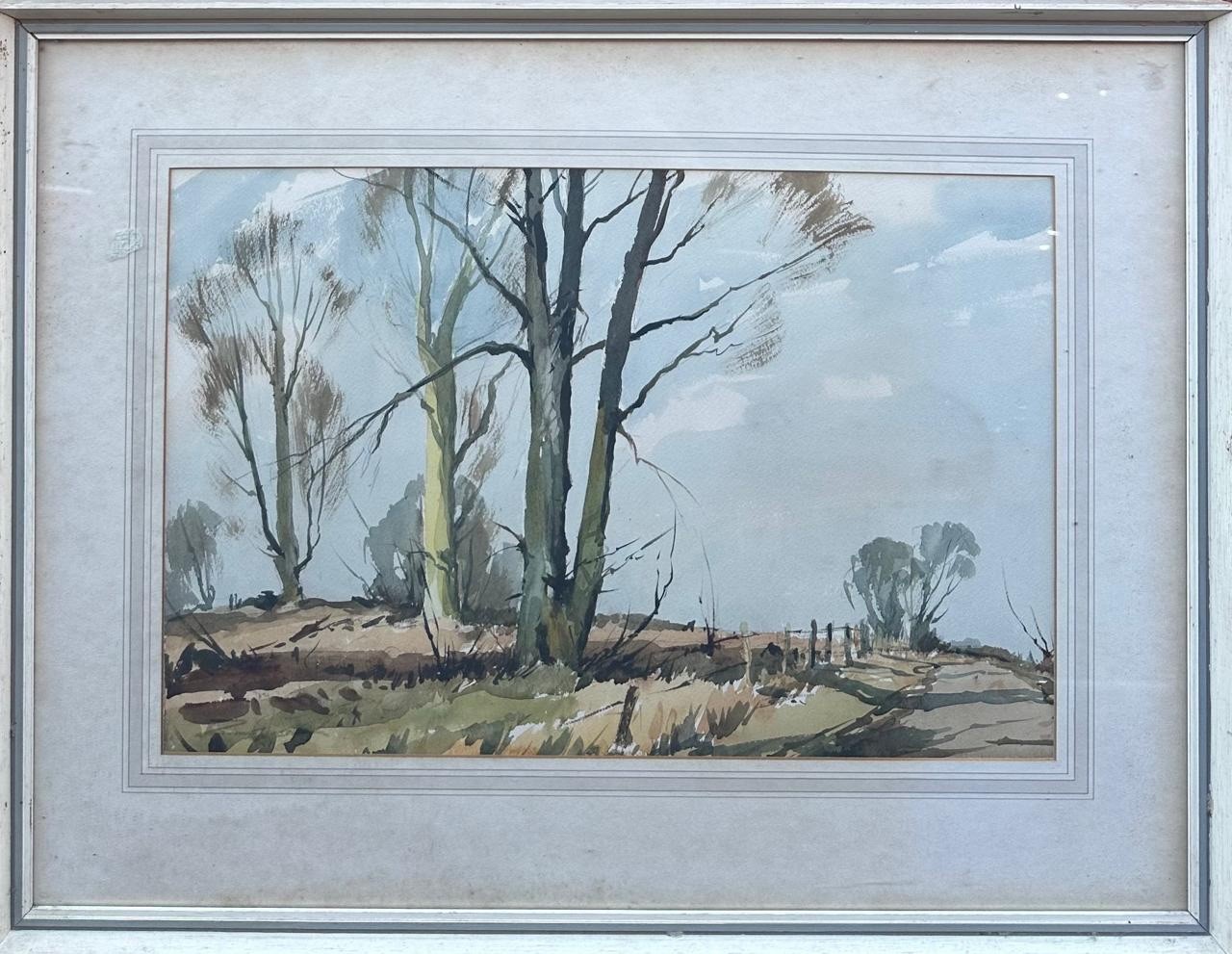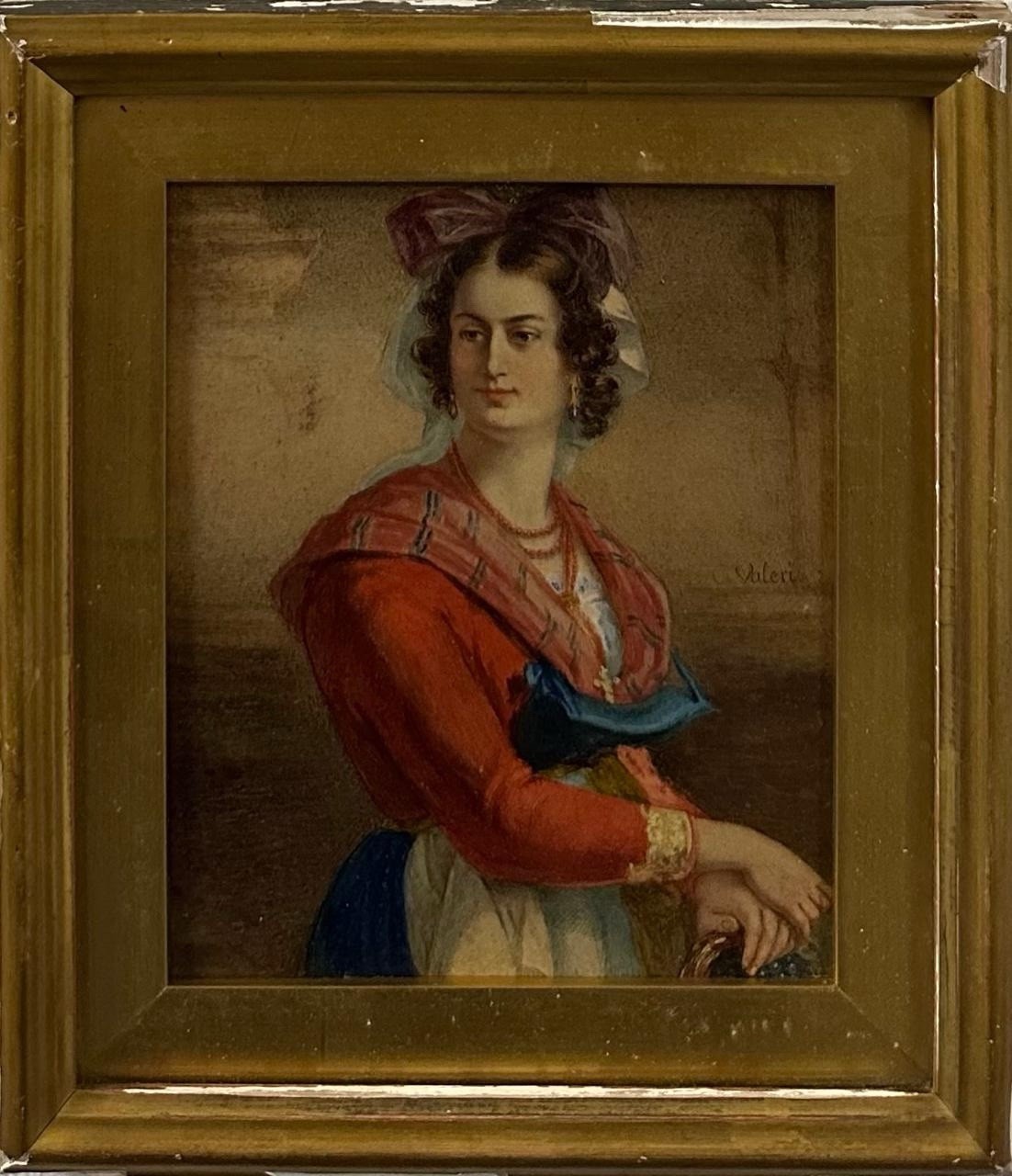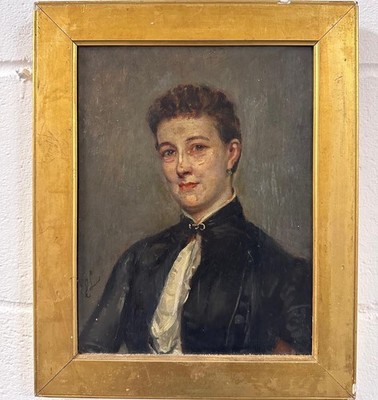
The frame is part of a painting’s story — and sometimes part of its value. Deciding whether to keep an original frame or reframe a picture is a question of history, condition and how you want to live with the work.
Key takeaways
- ✓A genuine period frame adds authenticity and can add real value.
- ✓Minor gilding losses are character, not a fault.
- ✓Reframe a poor modern replacement — but keep any old frame with interest.
- ✓Works on paper need conservation mounting and UV-protective glazing.
- ✓Choose a profile sympathetic to the period, never a jarring modern one.
Why it matters
The frame carries history
A period frame made for the picture, or of its era, adds authenticity and can add real value; original gilded frames are increasingly collected in their own right. First establish whether the frame is original or a later addition — an old label or fitting on the reverse often reveals it.
Decision guide
Keep or reframe?
| Situation | Recommended action |
|---|---|
| Period-appropriate, structurally sound | Keep; stabilise if needed |
| Fine gilded or carved frame with honest wear | Keep; minor losses are character |
| Frame carries labels or provenance | Keep; it documents the picture |
| Poor, non-original modern replacement | Reframe sympathetically; retain the old frame |
| Unstable frame that cannot protect the work | Reframe for safety |
| Work on paper needing UV glazing | Reframe with conservation mounting |
Never bin the old frame
Even when you reframe, keep any frame with age or interest. Original frames are collected in their own right, and a future owner — or conservator — may want to reunite it with the picture.
Keep
When to preserve the original
Gentle stabilisation by a framer is preferable to replacement. Minor gilding losses are part of an antique frame’s character, not a fault — much like craquelure on the painting itself.
Reframe
When a change is right
Replace a poor modern frame that distracts, an unstable frame that cannot protect the work, or when a work on paper needs conservation-grade mounting and UV-protective glazing. Choose a profile sympathetic to the period rather than a contemporary one that fights the picture.
“A frame should introduce the painting, never interrupt it.”
Glazing
To glass or not
Oils are traditionally shown unglazed so the surface can breathe, though a fragile surface may be glazed for protection; watercolours and works on paper must be glazed with UV-protective glass or acrylic. See our care guide for hanging and environment.
Questions
Frequently asked
Does the frame really affect value?
Yes. A fine period frame can add materially to the price a picture achieves; a poor modern frame can hold it back. It is one of the seven factors that set value.
Should I regild a worn antique frame?
Usually not. Honest wear is part of its character and collectors value it. If work is needed, a specialist can stabilise and in-paint losses sympathetically.
Can I put glass over an oil painting?
Generally oils are shown unglazed, but a fragile or valuable surface can be glazed for protection with the right spacing. A framer or conservator can advise.
See framed originals
Many works in our catalogue retain characterful period frames; each listing notes the frame.
References
Sources & further reading
- The National Gallery, London, on historic picture frames — nationalgallery.org.uk
- Institute of Conservation (Icon), gilding and frame conservation — icon.org.uk
- Victoria and Albert Museum, frames and framing — vam.ac.uk