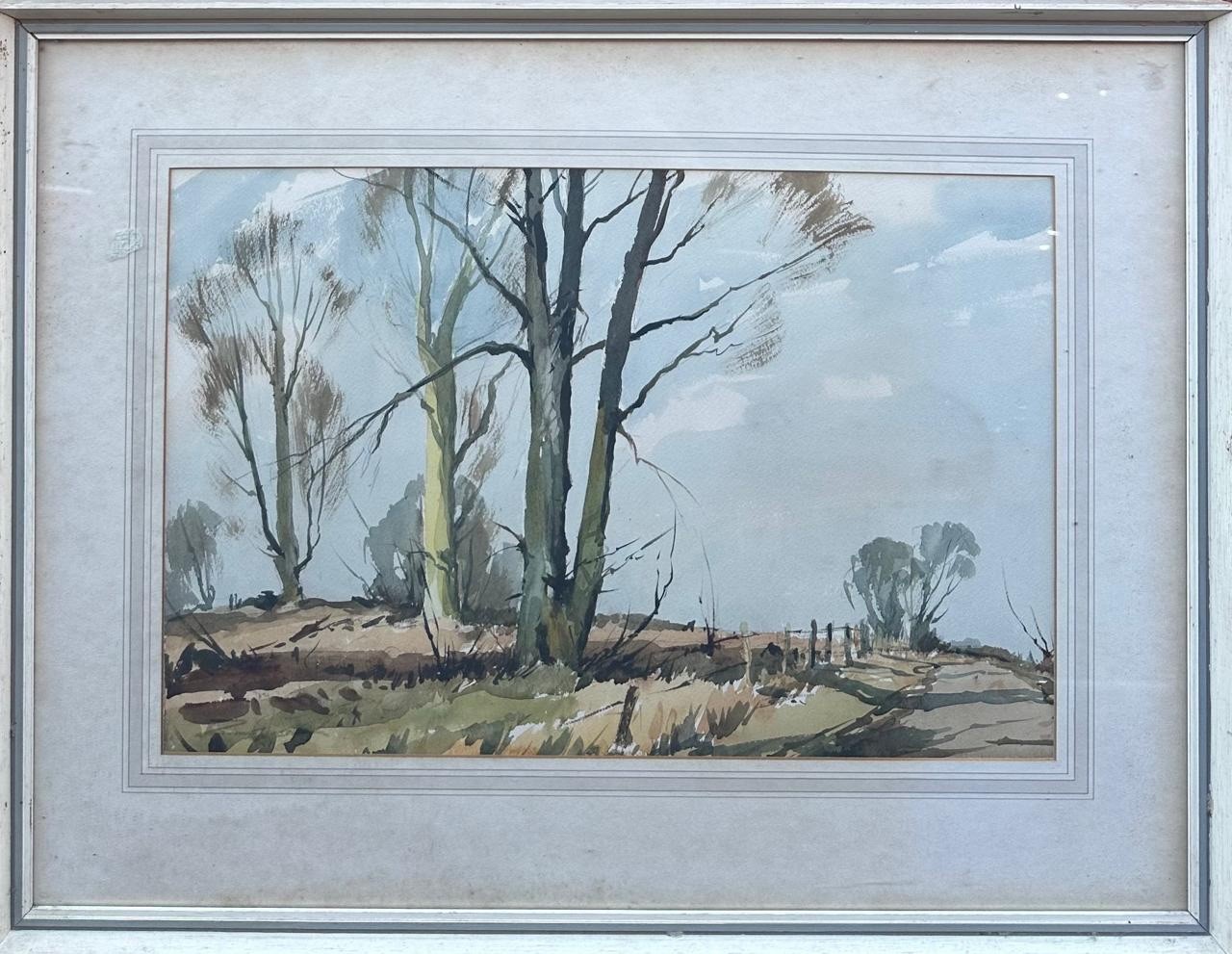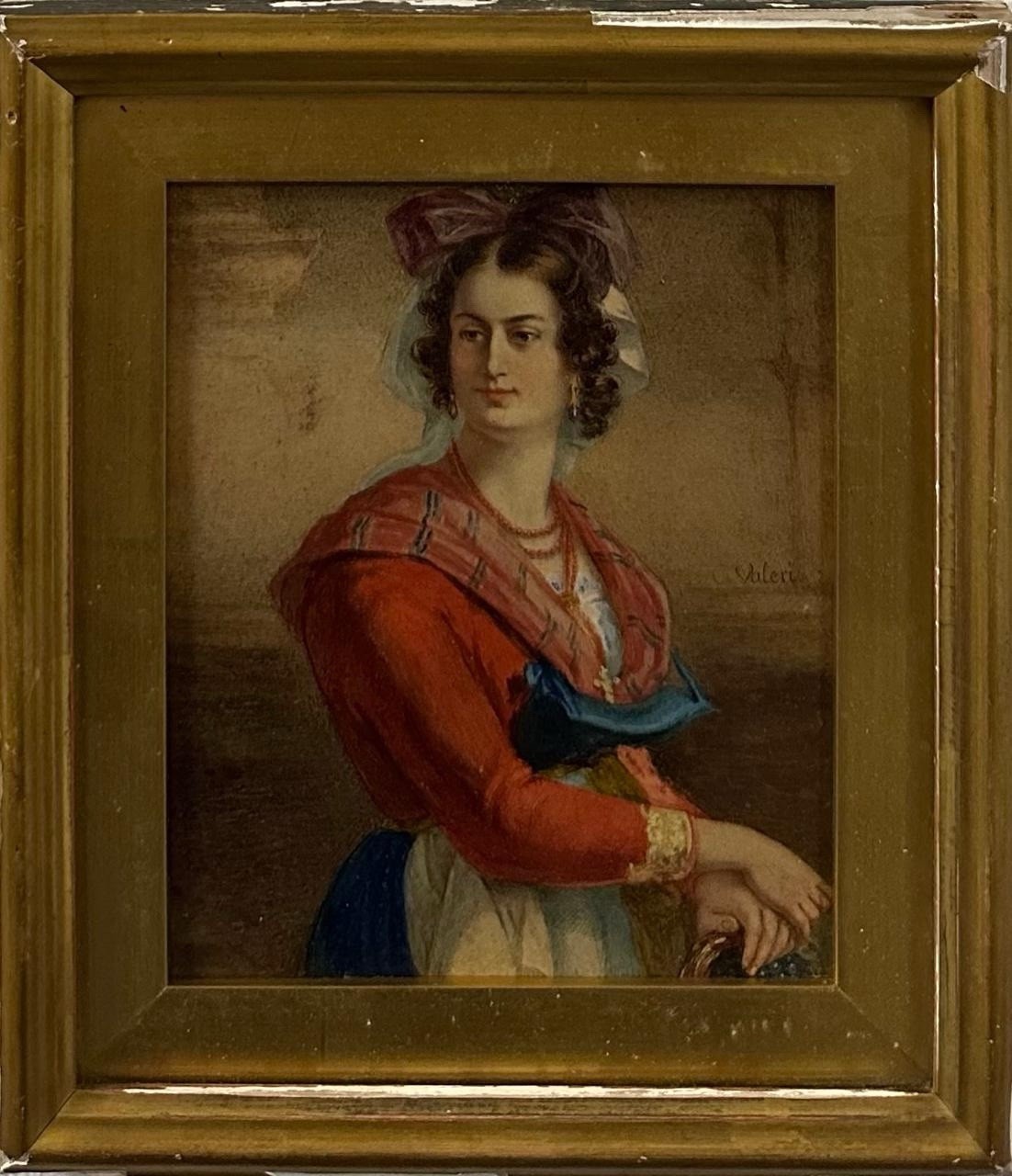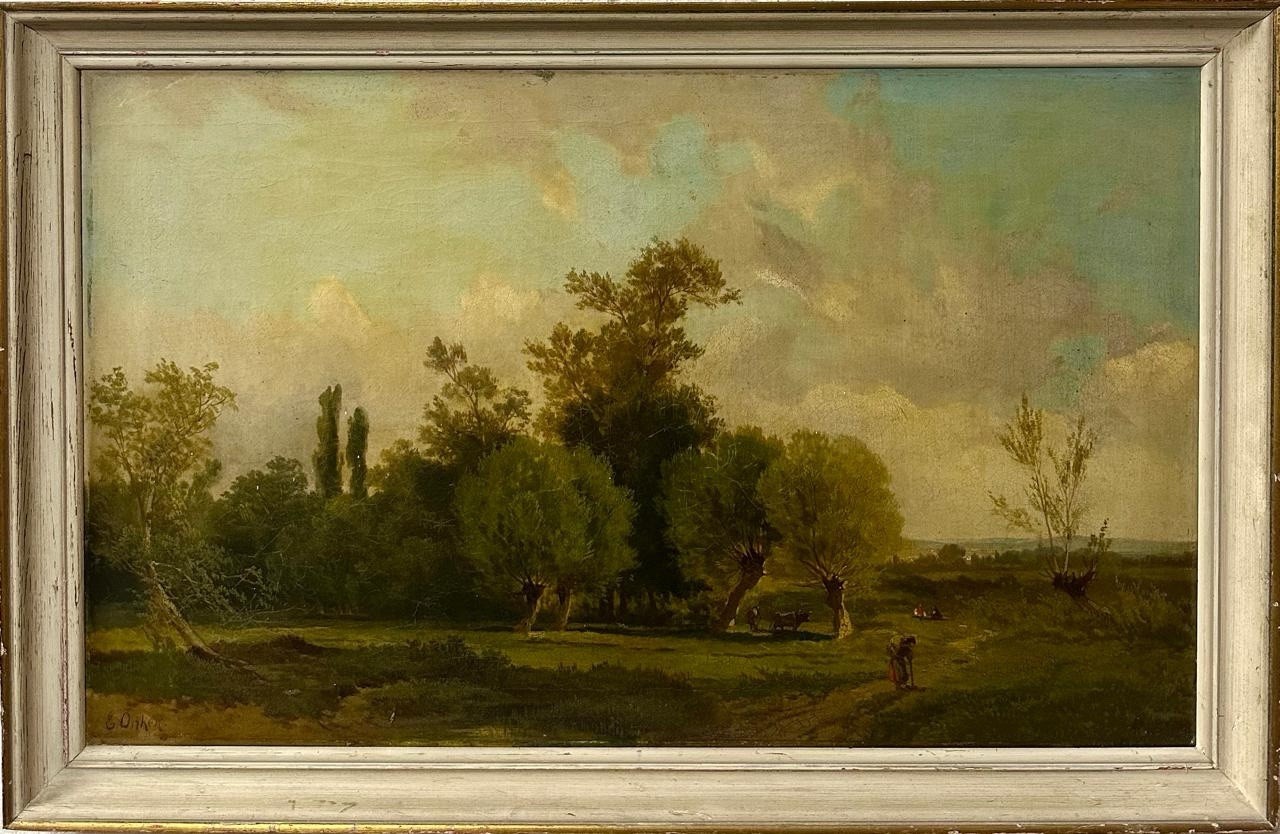
Two antique paintings of the same size and subject can be worth wildly different sums. Value on the secondary market is not a formula but a balance of seven factors. Understand them and you can judge any asking price — and spot a bargain.
Key takeaways
- ✓A confirmed artist is the single strongest driver of price.
- ✓Condition can make or break value — original and stable commands a premium.
- ✓Desirable subjects and strong compositions outperform routine ones.
- ✓Provenance — labels, exhibition history — adds both confidence and value.
- ✓A fine period frame can add materially to the price achieved.
Overview
The seven factors at a glance
| Factor | Raises value | Lowers value |
|---|---|---|
| Artist / attribution | Confirmed, sought-after name | ‘Attributed’, ‘school of’ |
| Subject | Desirable, well-composed | Routine, repetitive |
| Medium / support | Major oil on canvas | Slight studies (context-dependent) |
| Size | Impressive scale in good state | Large but tired canvas |
| Condition | Original, stable | Heavy overpaint, damage |
| Period / rarity | Rare, strong period, provenance | Common, no history |
| Frame | Fine period frame | Poor modern frame |
In detail
What each factor really means
Artist and attribution
A confirmed name is the strongest single driver. Work catalogued by school and period costs less — exactly where value-conscious collectors find opportunity.
Subject and composition
Luminous landscapes, animated harbour scenes and characterful portraits command more; the best compositions outperform the routine.
Medium and support
Whether a work is oil on canvas, oil on board or watercolour affects both appeal and price — see our medium guide.
Size
Bigger is not always dearer: a jewel-like cabinet picture in perfect condition can outvalue a large but tired canvas.
Condition
Original, stable condition carries a premium; heavy overpaint or structural damage reduces value. Honest condition notes matter.
Period and rarity
A rare survivor from a strong period, or an unusual example, will be chased. Provenance adds confidence and value.
The frame
A fine period frame can add materially; a poor modern one distracts. See Antique Frames.
Where the value is
The smart-money buy is often a well-attributed, immaculate oil on board with a good subject and its original frame — not the weakest work by a famous name in poor condition.
“Condition is the factor amateurs underrate and professionals never do.”
Questions
Frequently asked
Does older always mean more valuable?
No. Age alone does not set value. A rare, high-quality survivor in good condition beats an ordinary older picture every time.
How much does the frame really matter?
More than most buyers expect. A sympathetic period frame flatters the picture and can add to the price; a poor modern frame can hold it back.
Is provenance worth paying for?
Yes. An old label, exhibition record or documented history reduces risk and, for that reason, supports a higher and more durable value.
Test your eye
See how these seven factors play out across real prices in our catalogue.
References
Sources & further reading
- Auction house cataloguing conventions and glossaries (Christie’s, Sotheby’s) — christies.com, sothebys.com
- Art UK, the UK national collection online — artuk.org
- Institute of Conservation (Icon), condition and value of restored works — icon.org.uk