Medium and support are not just technical footnotes. They shape how a painting looks, how it has aged, how it should be cared for and how the market values it. Here is what oil on canvas, oil on board and watercolour each tell you.
Key takeaways
- ✓Oil on canvas suits ambitious, larger works and a luminous, flexible paint film.
- ✓Oil on board is rigid and resists cracking — often survives in fine condition.
- ✓Watercolour is light-sensitive and belongs behind UV-protective glazing.
- ✓There is no fixed hierarchy: a pristine board can outvalue a damaged canvas.
- ✓Each medium needs different care — never clean a work on paper at home.
Overview
The three supports at a glance
| Support | Typical use | Ageing & condition | Display |
|---|---|---|---|
| Oil on canvas | Ambitious, larger works | Can slacken; sometimes relined | Usually unglazed |
| Oil on board / panel | Sketches, studies, smaller works | Rigid; resists cracking | Usually unglazed |
| Watercolour on paper | Immediate, transparent works | Light-sensitive; foxing common | Glazed, UV protection |
Canvas
Oil on canvas
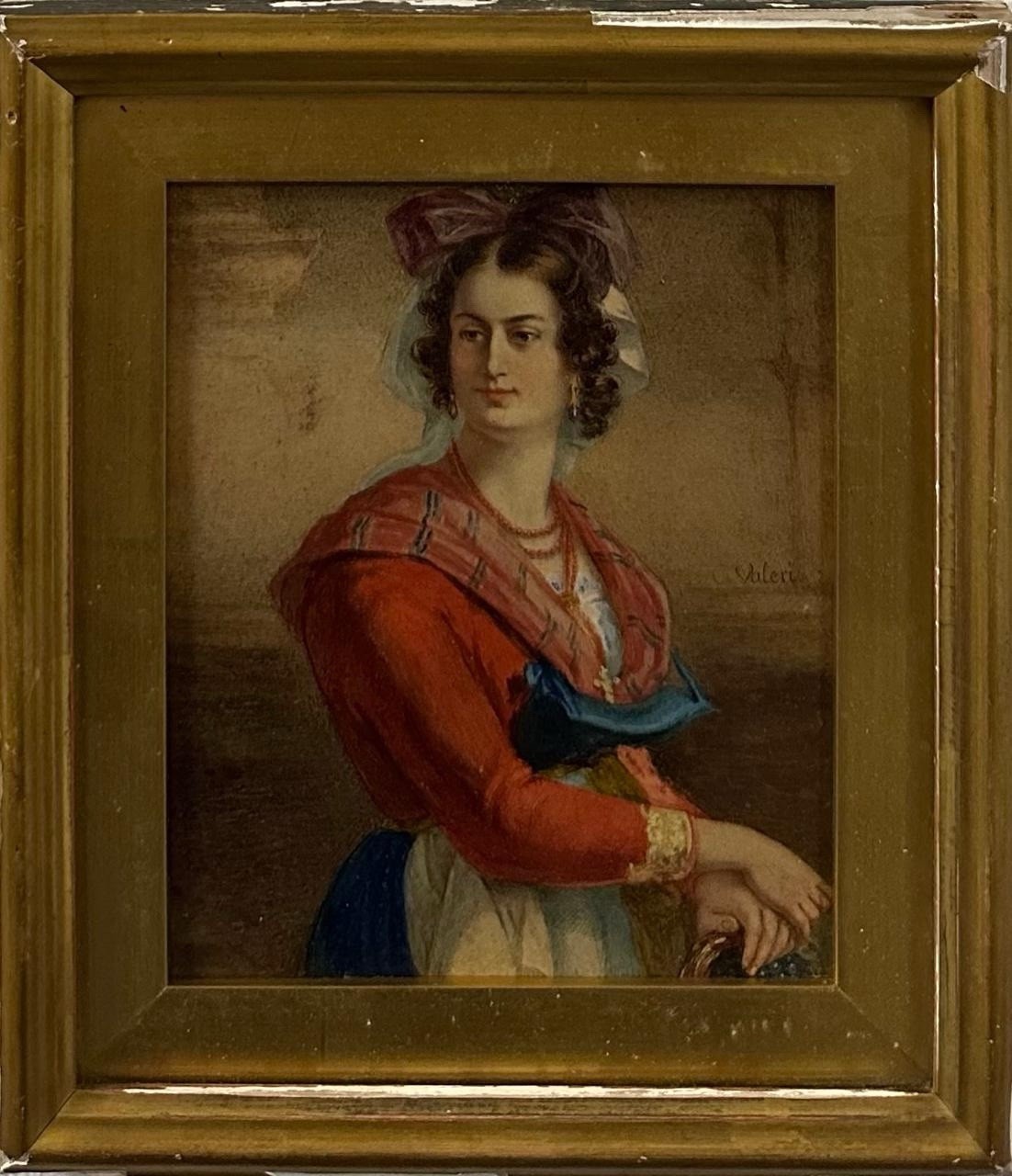
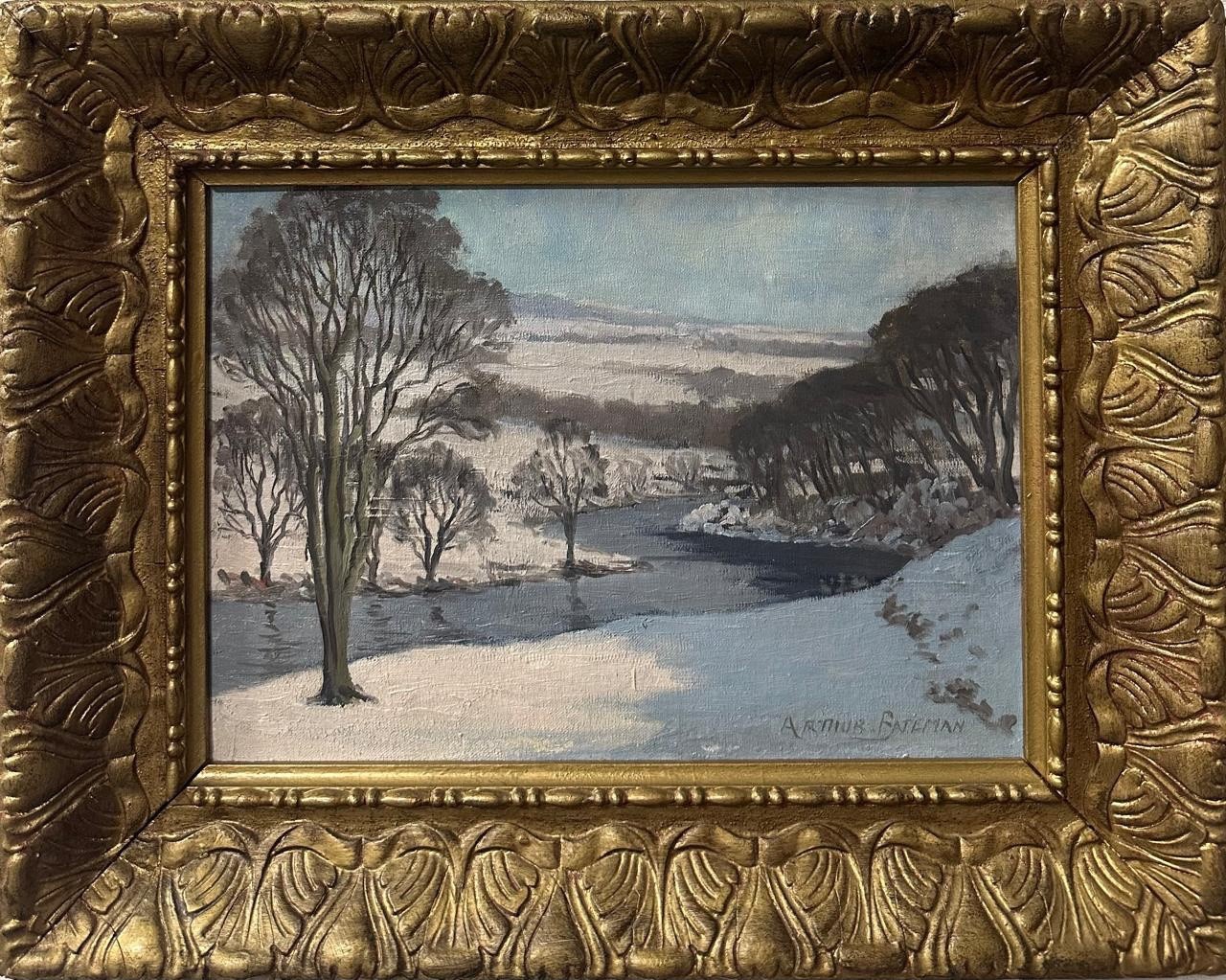
The classic support for ambitious work, allowing large formats and a flexible, luminous paint film. Older canvases are sometimes relined onto fresh canvas for stability — an accepted conservation step when disclosed. Look for age-consistent craquelure and an oxidised reverse.
Board
Oil on board (and panel)
Board, panel and academy board suited smaller, spontaneous works and oil sketches. The rigid support resists the cracking canvas can suffer, so many oil-on-board pictures survive in fine condition.
Myth-buster
“Board” does not mean lesser. Some of the freshest, most collectable antique landscapes — especially plein-air oil sketches — are painted on board precisely because it travelled well and stayed stable.
Paper
Watercolour (and gouache)
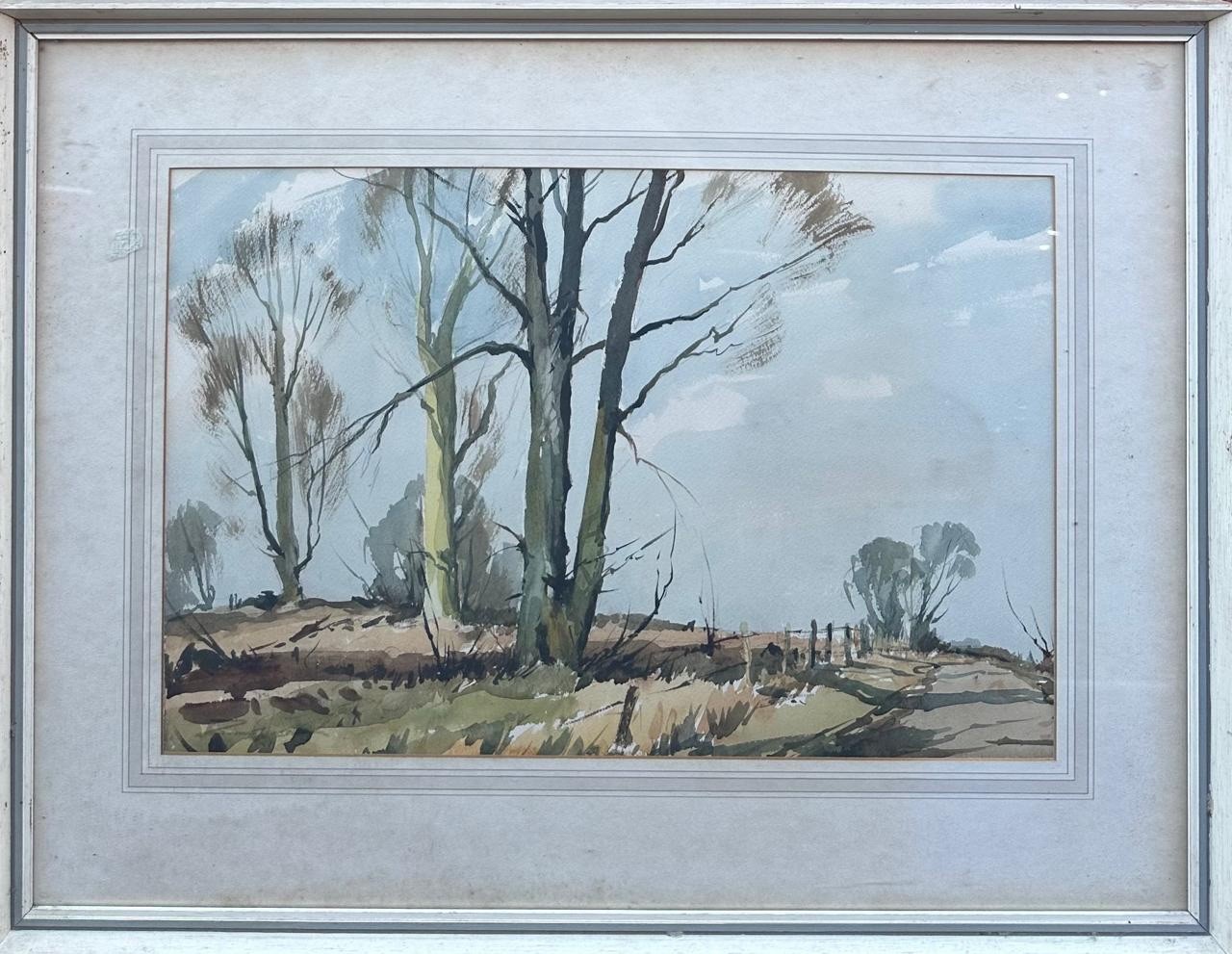
Watercolour on paper is prized for immediacy, and Britain has a particularly strong watercolour tradition. Because paper and pigments are light-sensitive, conservation bodies advise low light levels and UV-protective glazing; some foxing (small brown spots) in older sheets is common and does not necessarily reduce appeal.
“Medium is not a ranking. It is a clue — to how a picture was made, how it aged, and how to keep it.”
Value
How medium affects price
Ambition & scale
A major oil on canvas usually tops a given artist’s range.
Condition & stability
A pristine oil on board can outvalue a damaged canvas.
Rarity for the artist
A rare oil by a known watercolourist (or vice versa) commands a premium.
Medium is only one factor; see the full picture in What Is an Antique Painting Worth?.
Questions
Frequently asked
Is oil on canvas always worth more than oil on board?
No. Scale and ambition often favour canvas, but condition is decisive. A fresh, stable oil on board can be worth more than a large but damaged canvas.
Are watercolours a riskier buy?
They simply need the right care: low light and UV-protective glazing. Well-kept British watercolours are a strong, and often undervalued, field.
What is gouache?
Gouache is an opaque water-based paint. It sits between watercolour and oil in appearance and, like watercolour, is a work on paper needing UV-protective glazing.
Browse by medium
Oils and watercolours across landscapes, seascapes and still life — each listing states the medium and support.
References
Sources & further reading
- Tate, art terms: support, ground, gouache, watercolour — tate.org.uk
- Canadian Conservation Institute (CCI), care of paintings and works on paper — canada.ca/conservation-institute
- Victoria and Albert Museum, caring for works on paper — vam.ac.uk