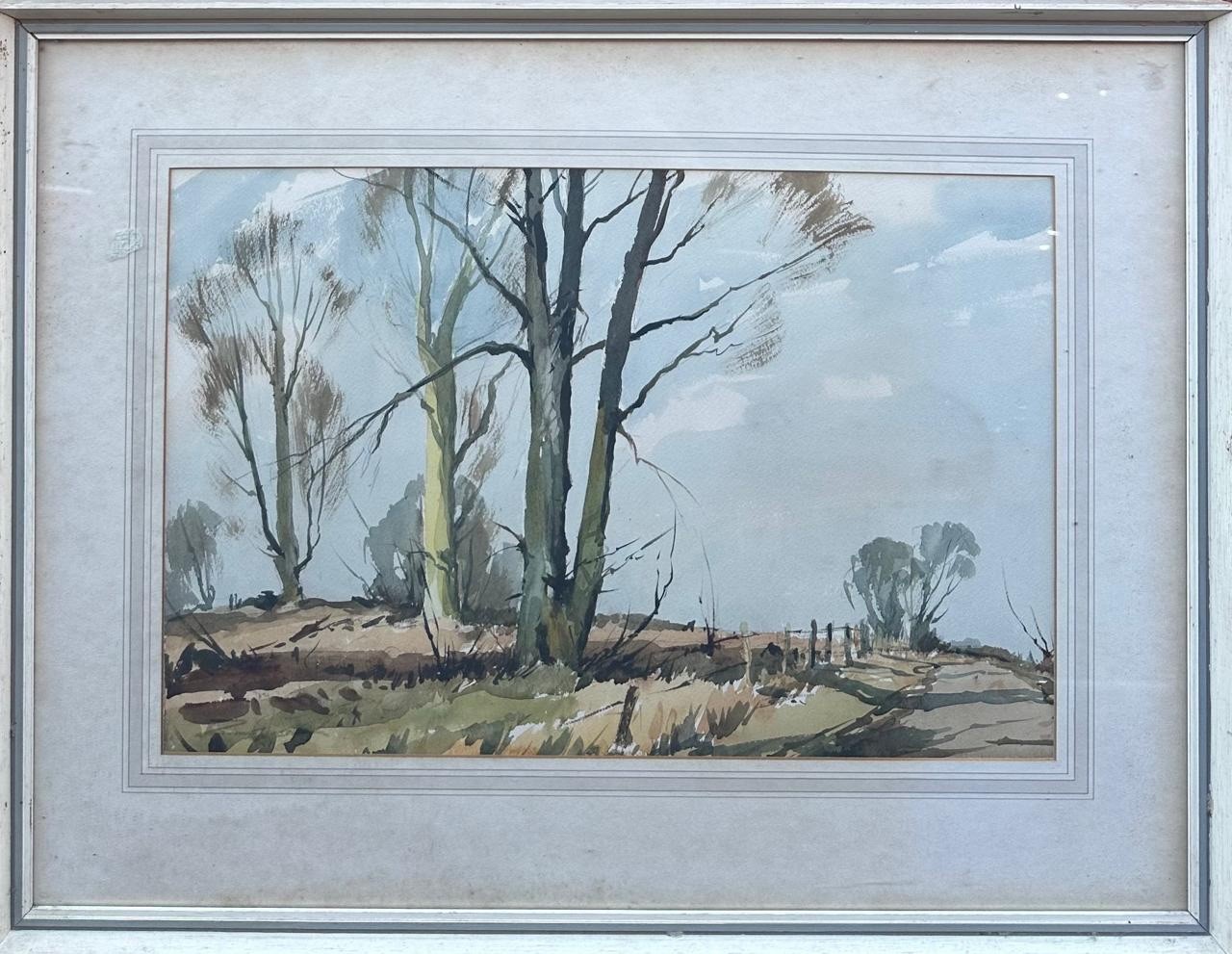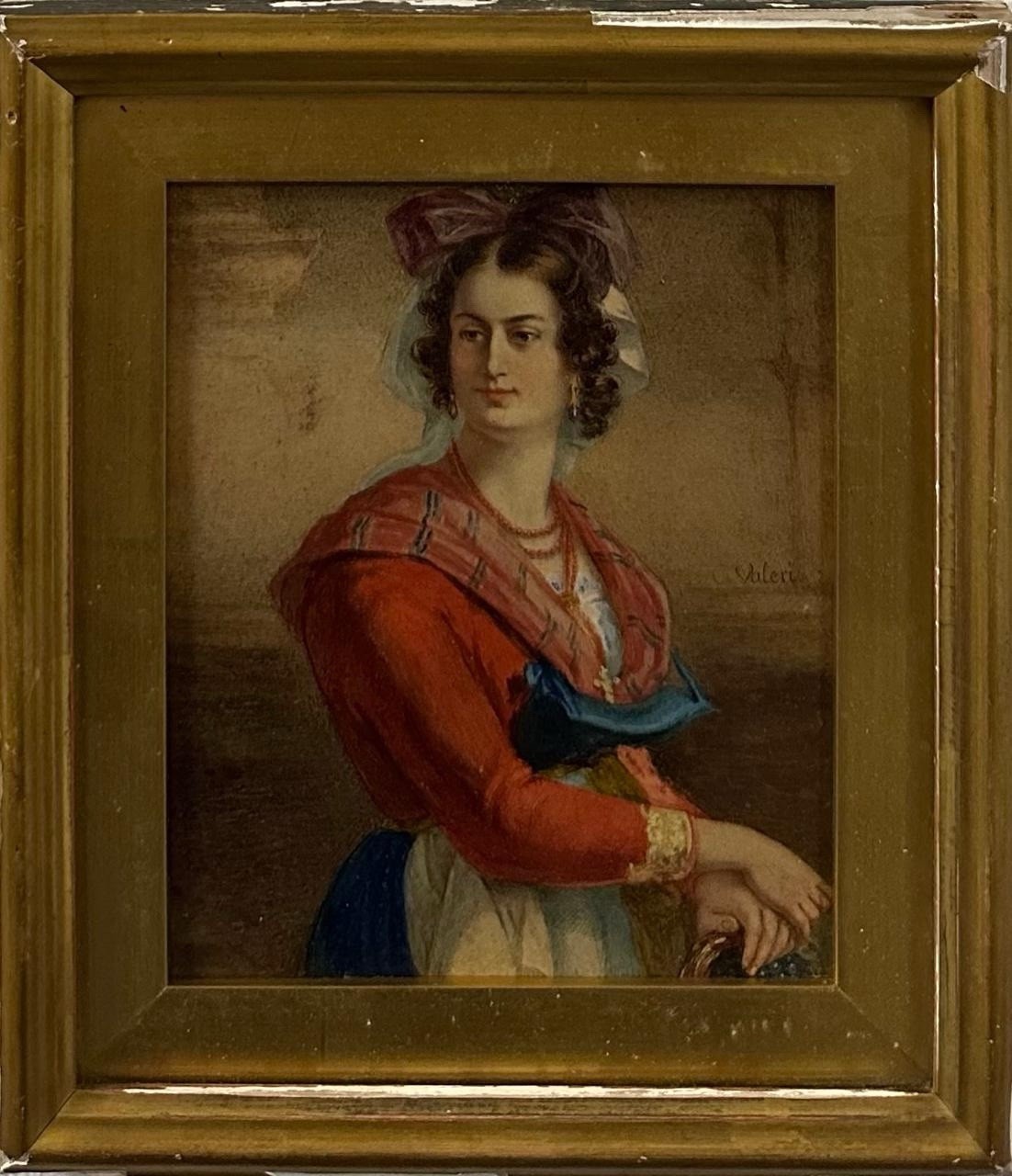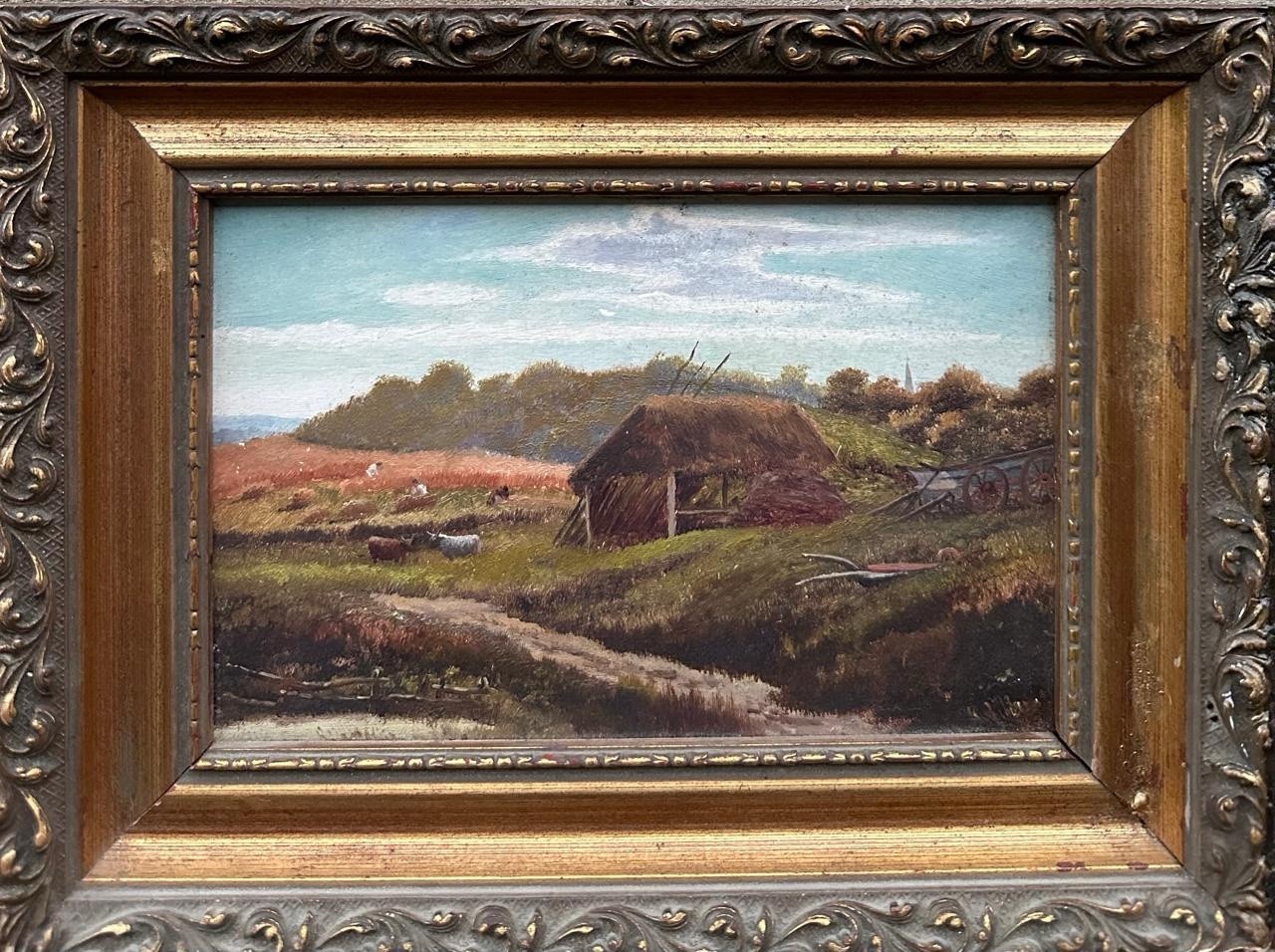
The 19th-century British landscape is the backbone of the antique market and one of the most rewarding fields for a new collector. Here is what defines it, what to look for, and how to buy well.
Key takeaways
- ✓“Victorian landscape” runs roughly 1837–1901, from the picturesque into the Edwardian.
- ✓Pastoral, Highland, coastal and woodland scenes are the classic subjects.
- ✓Much of the finest work is catalogued as ‘19th-century British School’.
- ✓It is widely available, affordable and easy to live with — an ideal first purchase.
- ✓Check medium, condition and frame; provenance is a welcome bonus.
Context
What ‘Victorian landscape’ really means
The term covers roughly 1837 to 1901, but the sensibility runs from the late-Georgian picturesque into the Edwardian era. Painters pursued truth to nature, atmospheric light and a deep affection for countryside, coast and cattle-dotted meadow — an accessible, decorative and quietly serious tradition.
| At a glance | The 19th-century British landscape |
|---|---|
| Period | c. 1837–1901 (picturesque to Edwardian) |
| Heartland | Rural Britain, the Highlands and the coast |
| Typical media | Oil on canvas, oil on board, watercolour |
| Why collect | Widely available, affordable, deeply documented |
Subjects
The scenes collectors chase
Pastoral
Meadows, rivers, cattle and sheep in golden or silvery light — the heart of the tradition.
Highland & mountain
Dramatic weather and scale, hugely popular after Queen Victoria’s love of Scotland.
Coastal & harbour
Where landscape meets the marine tradition.
Woodland & river
Intimate, tonal studies, often in watercolour or oil on board.
Collector’s tip
Light is everything in a Victorian landscape. Before you fall for the subject, ask whether the picture glows — convincing atmosphere and handling of light separate a fine example from a merely competent one.
Attribution
Named artists and the ‘British School’
Alongside listed names, a large and excellent body of work is catalogued as “19th-century British School”, meaning the artist is unidentified but the period and quality are clear. As explained in Reading the Signature, this is honest attribution — and it is where the best value sits for a first purchase.
“Start with a picture that stops you in the room. Everything else — period, name, frame — is detail.”
Buying
What to check before you commit
- ›Confirm the medium and support (see our medium guide).
- ›Look for age-consistent craquelure and an oxidised reverse (see how to tell an original).
- ›Read the condition notes; a period frame is a bonus.
- ›See how these features feed into price in What Is an Antique Painting Worth?.
Questions
Frequently asked
Why is Victorian landscape a good place to start?
It is widely available, generally affordable, easy to live with and steeped in a documented tradition — all the ingredients of a confident first purchase.
Are unsigned Victorian landscapes worth buying?
Often they are the best value. A fine ‘British School’ landscape in good condition can be more rewarding than a weak signed example.
What should I pay attention to most?
Quality of light and condition. A luminous, well-preserved picture will always outshine a dull or heavily restored one of the same subject.
Begin your collection
Explore our Victorian and 19th-century British landscapes, or widen the search across the full catalogue.
References
Sources & further reading
- Tate, British art of the 19th century — tate.org.uk
- Art UK, 19th-century British landscape painting — artuk.org
- The National Gallery, London, 19th-century collection — nationalgallery.org.uk