Antique paintings can hold and grow their value — but “art as an investment” is widely misunderstood. Here is a clear-eyed view of what appreciates, what does not, and how to buy for the long term without losing the pleasure of ownership.
Key takeaways
- ✓The works that hold value share three traits: quality, condition, provenance.
- ✓The best of type outperforms the weakest work by a famous name.
- ✓Heavily restored or damaged pictures rarely appreciate.
- ✓Art is illiquid and unregulated — never your only investment.
- ✓Buy what you love; treat appreciation as a bonus, not the point.
Principles
Buy quality, condition and provenance
Across the market, the works that hold value share three traits: genuine quality, sound condition and documented history. A superb example in original state, with an old label or exhibition record, is a far safer long-term hold than a mediocre picture by a bigger name in poor condition. Condition is decisive — see the seven factors that set price.
Signal vs noise
What appreciates — and what disappoints
| Tends to hold / appreciate | Tends to disappoint |
|---|---|
| Best-of-type examples, fine composition | Weak, repetitive decorative work |
| Original, stable condition | Heavily restored or damaged pictures |
| Documented provenance / exhibition history | No history, uncertain origin |
| Rare subjects or rare medium for the artist | Anything bought purely on a name |
The best-of-type rule
Within any artist or school, the exceptional example — the finest composition, the rare subject, the unusually good survivor — outperforms the ordinary one over time. Chasing the best of a modest type often beats the weakest work by a famous hand.
Entry points
Where value-conscious collectors look
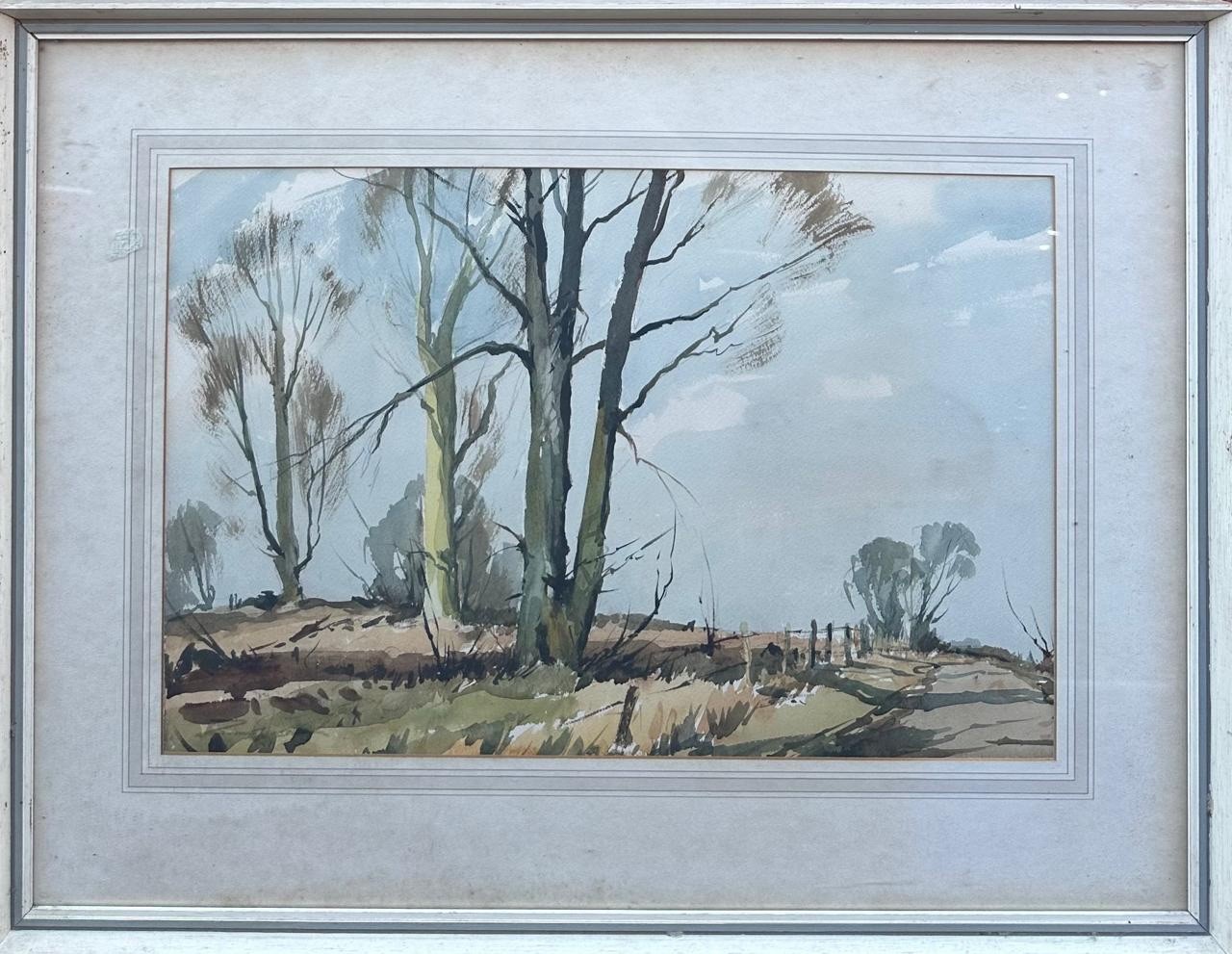
Some of the best long-term buys are well-attributed works catalogued by school and period rather than a marquee name. The 19th-century British landscape, covered in our collector’s introduction, is a deep field with genuine quality at accessible prices.
“The collectors who do best buy what they would be happy to keep forever — and are pleasantly surprised when it appreciates.”
Honesty
The caveat every buyer should hear
Art is not a liquid asset, values are not guaranteed, and it should never be your only investment. Independent regulators such as the UK’s Financial Conduct Authority note that art and collectibles are unregulated and illiquid. The wisest collectors buy what they love, at a fair price, in good condition, and treat appreciation as a welcome bonus.
Protection
Look after what you buy
Correct hanging, environment and framing preserve both enjoyment and worth, as set out in our care guide and frame guide.
Questions
Frequently asked
Is antique art a good investment?
It can hold and grow value if you buy quality in good condition with provenance — but it is illiquid and unregulated, so treat it as one part of a wider portfolio, not a guaranteed return.
What appreciates most reliably?
Best-of-type examples: the finest composition, the rare subject, the unusually well-preserved picture. Condition and provenance do the heavy lifting.
What should I avoid?
Buying purely on a famous name while ignoring condition, and anything heavily restored or of uncertain origin.
Build a collection that lasts
Explore quality across landscapes, portraits, cityscapes and the full catalogue.
References
Sources & further reading
- UK Financial Conduct Authority (FCA), on unregulated investments and collectibles — fca.org.uk
- Art Basel & UBS, The Art Market report (market trends) — artbasel.com
- Art UK, exploring artists and the national collection — artuk.org